Bali waste-to-energy project marks green transformation


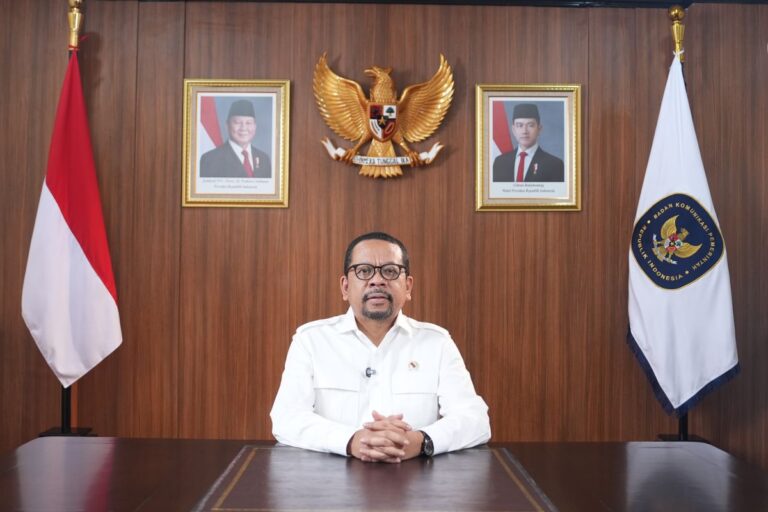
Jakarta (ANTARA) – The development of Indonesia’s major waste-to-energy project (PSEL) in Bali marks a significant transformation in the country’s environmental management, according to Head of the Government Communications Agency (Bakom) Muhammad Qodari.

He noted that the facility represents a strategic effort to establish a sustainable solution to the loomimg landfill crisis while expanding the nation’s renewable energy portfolio.

“This project is part of an effort to provide a more sustainable solution to the waste problem while optimizing waste as a new, environmentally friendly energy source,” Qodari said in his statement on Monday (July 13).

The initiative follows an urgent directive from President Prabowo Subianto, who warned that conventional waste disposal methods are no longer viable.

Government projections indicate that without immediate, integrated intervention, Indonesia’s major landfills could reach overcapacity by 2028.

The crisis is already evident in Bali, particularly at the Suwung Final Processing Site (TPA).

Denpasar City and Badung Regency collectively generate roughly 1,600 tons of waste daily, more than 72 percent of which is currently dumped directly into landfills without treatment.

In response, the state investment agency Danantara Indonesia launched the construction of the Denpasar Raya PSEL facility on July 8, 2026. The Rp3 trillion (approximately US$165 million) project is targeted to begin full operations by late 2027.

The facility is designed to process up to 1,500 tons of waste per day using moving grate incinerator technology, which automatically transports waste through a high-temperature combustion chamber.

Qodari explained the facility is expected to reduce total waste volume by 80 to 90 percent while converting it into electricity.

The remaining residue will be managed through a community-level reduce, reuse, and recycle (3R) framework.

Looking ahead, the government plans to replicate the PSEL model across 34 urban agglomeration areas, aiming to address the waste management challenges in 60 to 70 regencies and cities nationwide.

The policy is expected to deliver two key benefits: cleaning the local environment to safeguard public health, and reducing greenhouse gas emissions, while simultaneously generating a clean energy supply to fortify domestic energy security.

Furthermore, the project is poised to stimulate the local economy in Bali. The operation of the Greater Denpasar PSEL is projected to generate approximately 1,200 green jobs, attract foreign and domestic investments in green technology, and foster a sustainable economic ecosystem.

“This is a concrete manifestation of future-oriented environmental transformation. The government is fully committed to ensuring that the construction of this facility proceeds swiftly and according to schedule,” Qodari said.

Translator: Prisca Triferna Violleta, Yashinta Difa
Editor: Bayu Prasetyo
Copyright © ANTARA 2026


Source link