
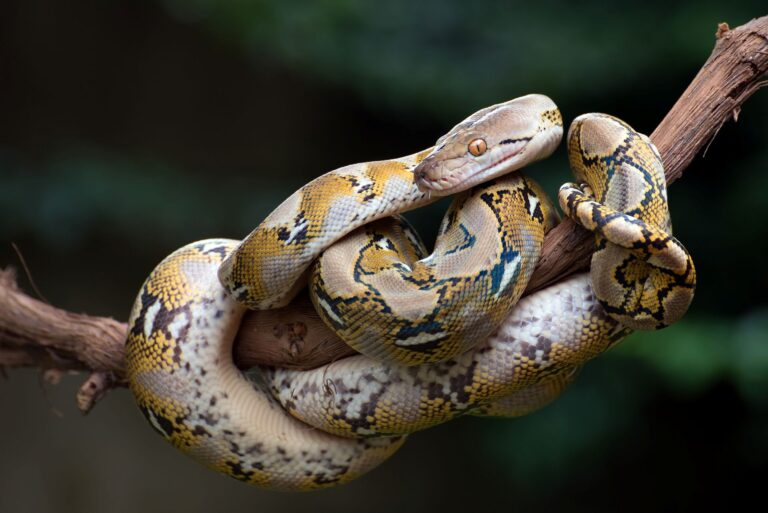
Wildlife influencer wrangles python in Indonesia, says he caught it to keep it alive


One wildlife influencer is attracting widespread online attention after capturing a 21-foot reticulated python with his bare hands,

The zoologist, Mike Holston, also known online as “The Real Tarzann” stepped in because he wanted the animal to survive.

What happened?

Filmed in the farmlands of Indonesia, the footage shows Holston in an extended battle with the enormous python. 

In the stunning video shared by Holston, he explained that his aim was to rescue the snake after removing it from the farm.

As he struggled with wrangling the snake, while out of breath, Holston said: “People always ask why you train jiu-jitsu. Here we go.” 

He went on to describe the battle, saying, “We have a proper lunatic versus a dinosaur. This is a maneater.”

In a dramatic conclusion to the 25-minute battle, the snake lunges at Holston and nearly strikes him. But Holston was able to grab the reptile from behind the base of its skull and subdue it.

The reptile in the video was identified as a Sulawesi reticulated python. The species is commonly found in Indonesian farmland, where villagers also hunt it for meat and skin, so close encounters can become life-or-death situations for the animal.

Reticulated pythons rank among the largest snakes on Earth. They subdue prey by constriction until it can no longer breathe, and they can swallow animals up to five times their own body width. Attacks on humans are rare, but they can happen.

Why does it matter?

When large predators move through farmland and other human-shaped landscapes, it increases the chances of conflict.

For local communities, that can mean fear for personal safety, crops, or livestock. For snakes and other predators, it can mean being killed simply for showing up in places that were once easier to avoid.

That overlap can create a cycle that harms both sides. People may feel they have no choice but to defend themselves, while animals lose habitat and face mounting pressure from hunting and habitat disruption.

Wildlife encounters are often not random. They can be driven in part by the way humans reshape landscapes, changing where animals live, hunt, and travel.

Get TCD’s free newsletters for easy tips, smart advice, and a chance to earn $5,000 toward home upgrades. To see more stories like this one, change your Google preferences here.


Cool Divider


Source link