
July 16, 2026
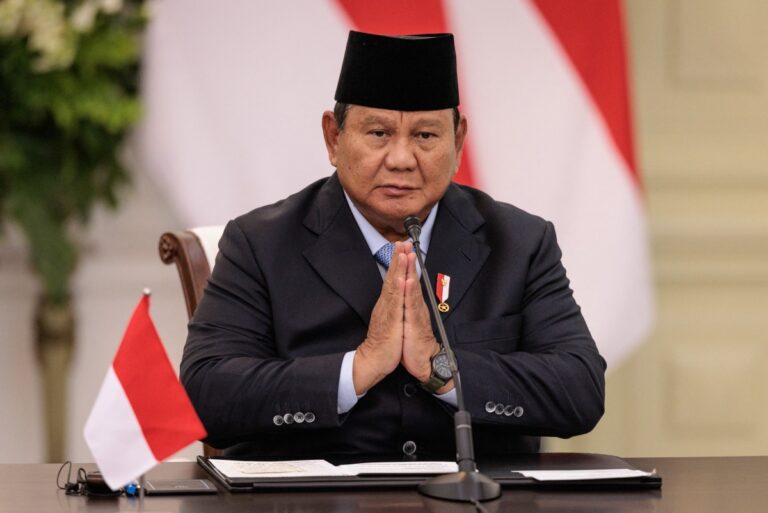
JAKARTA – Indonesia has accepted an invitation from the Iranian government for President Prabowo Subianto to visit Tehran, the Foreign Ministry confirmed on Tuesday, saying preparations were underway despite lingering tensions between Iran and the United States.
“The Indonesian government welcomes the invitation from the President of the Islamic Republic of Iran for President Prabowo Subianto to visit Tehran,” Foreign Ministry spokesperson Yvonne Mewengkang said in a statement to The Jakarta Post.
“A written response conveying Indonesia’s acceptance has been sent to the Iranian president. The two sides remain in communication through diplomatic channels, including to identify a mutually convenient time for the visit,” she continued.
The confirmation came a day after People’s Consultative Assembly (MPR) Speaker Ahmad Muzani disclosed that Iran had formally invited Prabowo to visit Tehran, an invitation he received while part of Indonesia’s delegation to the funeral of former supreme leader Ayatollah Ali Khamenei last week.
If it goes ahead, the trip would be Prabowo’s first visit to Iran since taking office in October 2024 and one of the earliest official visits by a foreign head of state following the recent escalation in the Iran-US conflict.
Iran’s invitation comes at a delicate moment for Indonesia’s relations with Tehran, testing Jakarta’s efforts to maintain engagement with Iran while navigating heightened regional tensions and its broader diplomatic ties with the US.
Since the conflict escalated earlier this year, the government has faced criticism over what some observers viewed as a cautious response toward Tehran, including its delayed condemnation of the initial US-Israeli strikes and its belated expression of condolences following Khamenei’s death.
The issue has also spilled into domestic politics. In March, former president and Indonesian Democratic Party of Struggle (PDI-P) chair Megawati Soekarnoputri skipped Prabowo’s high-level meeting on Indonesia’s economic resilience following the conflict, just days after she sent a personal letter to Tehran conveying condolences over Khamenei’s death, before Jakarta had formally issued its own message.
Amid mounting scrutiny, Jakarta has sought to strike a careful balance between its relationships with Washington and Tehran, including by suspending internal discussions on joining the US-led Board of Peace initiative pending a policy review.
Despite efforts to maintain cordial ties, Indonesia has also encountered diplomatic friction with Iran. Two Pertamina oil tankers were delayed for weeks in the Strait of Hormuz before being allowed to pass last week, even though Tehran had earlier permitted vessels from several countries it considers “friendly” to transit the strategic waterway.
More recently, Jakarta faced fresh criticism over its decision to send its ambassador to Iran, Rolliansyah “Roy” Soemirat, to Khamenei’s funeral, whereas several other countries were represented by senior political leaders.
Former diplomats and analysts argued that the relatively low-level representation risked undermining Indonesia’s long-standing free and active foreign policy, which emphasizes maintaining constructive relations with all sides without aligning with any major power.
Following the backlash, Foreign Minister Sugiono traveled to Tehran last Friday to lead a higher-level delegation that included representatives from the country’s two largest Muslim organizations and the MPR’s Muzani. Some critics, however, argued that the visit came too late as Khamenei’s funeral procession had already been concluded.
Yon Machmudi, a Middle East expert at the University of Indonesia, said Iran’s invitation offered Jakarta an opportunity to reset relations that had grown “cold” in recent months.
While Indonesia had been right to proceed cautiously amid the conflict, Yon said, Prabowo should accept the invitation and use the visit to reaffirm Indonesia’s role as an independent interlocutor committed to dialogue rather than alignment.
“The US has taken a very hard-line approach to the conflict, so [Indonesia] needs to take that into account to avoid repercussions in its own politics,” Yon said on Wednesday.
“Iran has now opened the door for us, and this is a very good opportunity for Indonesia to reaffirm its ties with Tehran and assume a greater role in facilitating peace in the conflict,” he continued.
