
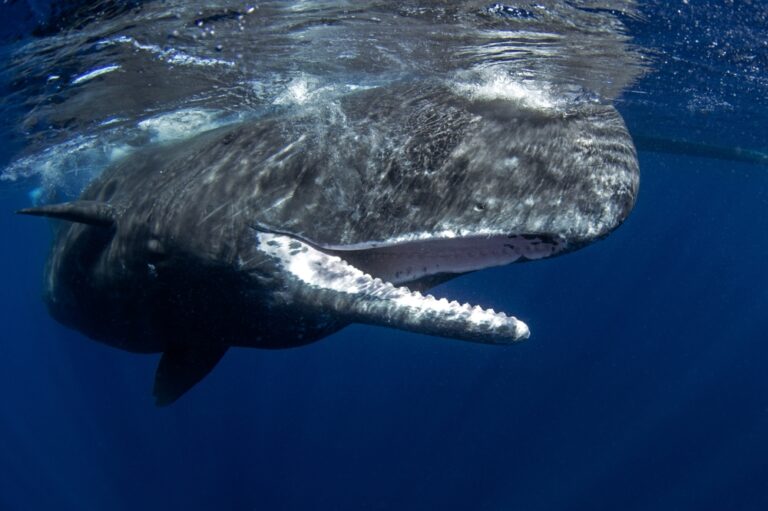
PFAS contamination is increasing across the global marine environment, with a major international study finding some of the highest concentrations in toothed whales living in the Pacific Ocean.
Researchers say the findings highlight how deeply these persistent chemicals have infiltrated marine ecosystems.
The study, published in the journal Marine Pollution Bulletin, analysed the accumulation of per- and polyfluoroalkyl substances (PFAS) in more than 70 species of toothed whales, including dolphins and porpoises.
The research was led by scientists from the University of Wollongong (UOW) and involved collaborators from Australia and New Zealand.
Researchers found that PFAS contamination varies significantly by region, species, age and sex, with young male animals carrying the highest concentrations.
The findings position toothed whales as valuable indicators of ocean pollution and provide new evidence that forever chemicals are becoming increasingly widespread throughout marine food webs.
Global assessment of PFAS contamination
PFAS, often referred to as “forever chemicals”, are a group of synthetic compounds used in industrial processes and consumer products because of their resistance to heat, water and oil.
However, their durability also means they persist in the environment for decades and can accumulate in living organisms.
The study represents one of the most comprehensive investigations into PFAS contamination in marine mammals to date.
By examining more than 70 species of toothed whales worldwide, researchers were able to identify broad patterns of exposure across different ocean regions and ecological groups.
Scientists found that PFAS enters the marine environment through multiple pathways, including industrial discharge, manufacturing runoff and agricultural activities. Once released, these chemicals spread through marine ecosystems and accumulate in animals higher up the food chain.
Because toothed whales occupy top predator positions and often live for many decades, they are particularly vulnerable to chemical build-up. Their exposure levels can therefore provide important insights into the overall health of marine environments.
Pacific Ocean records highest levels
The research revealed substantial geographical differences in PFAS contamination, with the Pacific Ocean recording the highest concentrations among the regions studied.
In contrast, the Mediterranean Sea showed the lowest levels. Researchers linked these differences to regional histories of chemical production, regulation and industrial use.
The findings suggest that areas where PFAS manufacturing continues or has historically been widespread are more likely to experience elevated contamination.
Parts of Asia, including China, remain significant centres of PFAS production, while several European countries have introduced restrictions on certain PFAS compounds over recent decades.
The study also showed that contamination levels tend to be higher in coastal environments, where industrial activity and human populations are concentrated. These hotspots may represent priority areas for future monitoring and environmental management efforts.
Young males face the greatest chemical burden
Among the biological factors influencing exposure, age and sex played a major role in determining PFAS concentrations.
Young male toothed whales consistently displayed the highest contamination levels, while adult females generally showed lower concentrations. Researchers believe this difference may be partly explained by the transfer of PFAS from mothers to offspring during pregnancy and nursing.
Previous studies have detected PFAS in the milk of bottlenose dolphins, raising concerns that calves may begin life already carrying a significant chemical burden. This early-life exposure could have implications for growth, development and long-term health.
PFAS are known to interfere with immune, endocrine and reproductive systems in both humans and wildlife. Although the full impact on marine mammal populations remains unclear, scientists say the findings underline the need for continued investigation into potential health effects.
Toothed whales as sentinels of ocean health
The study highlights the growing importance of toothed whales as environmental sentinels that can reveal pollution trends across vast marine regions.
By tracking PFAS contamination in these top predators, researchers can identify pollution hotspots, monitor the effectiveness of environmental regulations and better understand how contaminants move through marine food webs.
As concern over forever chemicals continues to grow globally, the findings provide fresh evidence that PFAS contamination is not confined to localised areas but has become a widespread oceanic issue.
The researchers conclude that stronger monitoring programmes and expanded international research efforts will be essential to understand the long-term consequences for marine ecosystems and the species that depend on them.
