
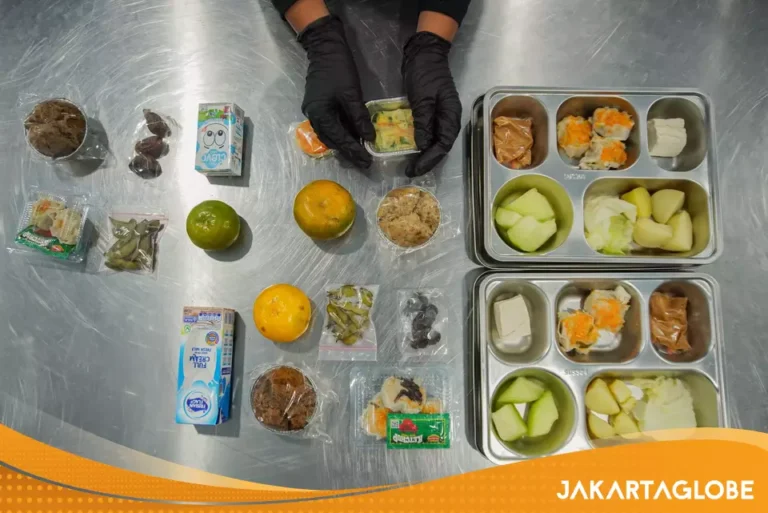
BGN Targets Rp 3.4 Trillion Savings With Temporary Suspension of Free Meals Program


Jakarta. The National Nutrition Agency (BGN) expects to save up to Rp 3.4 trillion ($191 million) by temporarily suspending its flagship Free Nutritious Meals (MBG) program during the upcoming school holiday period, while redirecting resources toward lower-income beneficiaries and underserved regions.

The suspension, which will run from June 22 to July 13 in line with the national school break, follows a new operational guideline issued by BGN for the 2026 fiscal year. During the holiday period, meal distributions will be halted for all beneficiaries, including students, pregnant women, breastfeeding mothers, and toddlers.

Deputy BGN Chief Agustina Arumsari said the move is aimed at improving governance, standardizing operations, and increasing budget efficiency as the program continues to expand nationwide.

“We are using the school holiday period to reorganize and improve the program’s management while optimizing resources,” Agustina told reporters in Jakarta on Thursday.

ADVERTISEMENT

BGN estimates it will save more than Rp 3 trillion by suspending daily Rp 6 million incentives for 27,820 Nutrition Fulfillment Service Units (SPPG) during the 18-day school holiday. Total savings could reach Rp 3.4 trillion, including other operational efficiencies.

Unlike during the Muslim fasting month of Ramadan, when meals continued to be distributed through a bundled delivery system, BGN decided to fully suspend services during the school break.

Agustina defended the decision amid criticism from some program partners, arguing that public funds should only be spent when services are actually delivered.

“If there is no service, there should be no payment. That is a fair principle,” she said.

The cost-cutting measure comes as the government begins refining the targeting of beneficiaries under the MBG program, one of President Prabowo Subianto’s flagship social initiatives.

BGN has removed 76 schools in Java, covering 39,352 students, from the list of meal recipients after determining that the schools and their students are financially capable of meeting their nutritional needs without government assistance.

The agency said the budget previously allocated to those schools will be redirected toward children in poorer communities, particularly in Indonesia’s disadvantaged, frontier, and remote regions. Additional resources will also be prioritized for vulnerable groups, including pregnant women, breastfeeding mothers, and toddlers.

Agustina said BGN is continuing to update its beneficiary database and assess schools based on factors such as nutritional vulnerability, socioeconomic conditions, and access to food.

“Those who can independently meet their nutritional needs, particularly from higher-income households, will no longer be covered by the program,” she said.

The refocusing effort reflects the government’s attempt to improve the efficiency and targeting of the MBG program, which has become one of the largest social spending initiatives under Prabowo’s administration. Officials say the savings generated from the temporary suspension and tighter targeting will allow the program to reach more vulnerable Indonesians while improving fiscal discipline.

Tags:

Keywords:


Source link