
June 18, 2026
LONDON – Sungai Watch, which mobilizes local communities and donor support to tackle pollution in Indonesia’s waterways, is extending its efforts beyond environmental protection and into the realm of design.
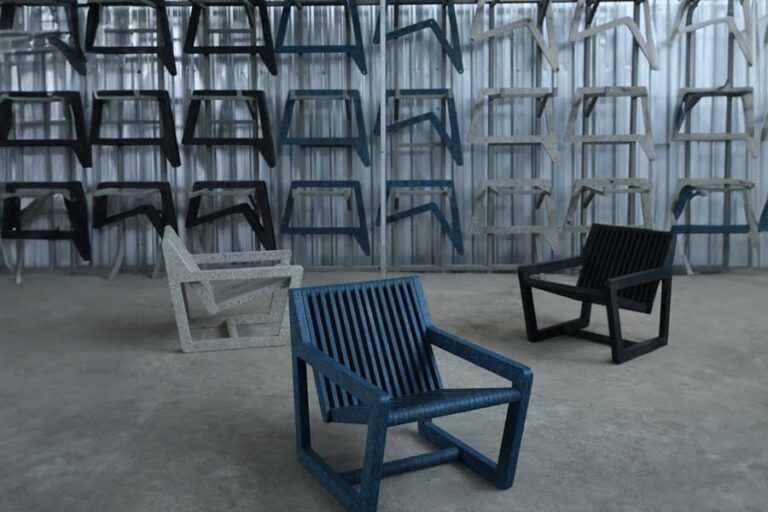
Through its parallel initiative, Sungai Design, the environmental organization is transforming collected waste into functional furniture and decorative pieces.
Its work gained fresh momentum following the completion of Run for Rivers, a 1,200-kilometer fundraising and awareness campaign that crossed 36 cities and five provinces before ending in Jakarta on May 24. Participants could join cleanups, take part in sections of the run or contribute through online donations.
“The funds raised will help Sungai Watch expand operations across Java, including installing more river barriers, hiring local teams, improving waste collection systems and developing education programs,” said Kelly Bencheghib, cofounder of Sungai Watch.
“There are still many regions in Indonesia that urgently need support,” she added. “During the run, we identified numerous highly polluted areas that currently have little to no intervention systems in place.”
According to its 2024 impact report, Sungai Watch has collected 2,976 tonnes of waste since its establishment in 2020 in Bali. During Run for Rivers, the organization also identified 108 illegal dump sites and carried out 23 river cleanups across the archipelago, removing 22,079 kilograms of waste.
The campaign also served as a platform for engagement with local communities and authorities. Sungai Watch met with 15 local leaders to discuss collaboration on waterway management and community-based environmental initiatives.
Kelly’s brother and cofounder Sam Bencheghib said the campaign also reinforced the level of public support for environmental action.
“We are seeing it firsthand in every city and village we pass through,” he said. “People are ready to act, leaders are ready to collaborate, and communities want cleaner rivers.”
Kelly said the campaign offered an opportunity to witness the scale of Indonesia’s pollution crisis while also highlighting growing public engagement.
“It also gave hope,” she said.
“Along the route, thousands of people joined cleanups, runs and discussions. Several local governments also reached out, wanting to collaborate.
“Our goal now is to turn that momentum into long-term action and expansion across Java and beyond.”
Looking ahead, Sungai Watch hopes to expand public participation in cleanups and waste education programs while encouraging greater accountability from producers.
“The issue should also be tackled at its source in production by big corporations,” Kelly said.
“A real game changer would be moving from isolated cleanup efforts to coordinated national action.” — Kelly Bencheghib, cofounder, Sungai Watch
Transforming waste
The collected waste is also given a second life through Sungai Design, which was established on the principles of reducing, reusing, recycling and renewing materials. The initiative transforms plastic waste into decorative objects and furniture, including chairs, stools and tissue boxes.
“Sungai Design aims to change the perception of waste,” Kelly said. “Beyond creating furniture, we hope to spark conversations around consumption, design and responsibility.”
Bali’s creative community has long championed environmentally conscious approaches to architecture and product design, partly in response to the island province’s well-documented waste challenges.
For Sungai Design, using recovered plastic reduces reliance on virgin materials while creating value from materials that might otherwise end up in rivers, burned or dumped.
“Recycled materials can be extremely durable, unique and meaningful,” Kelly said.
“Every Sungai Design piece carries a story and visible texture that cannot be perfectly replicated.”
She believes recycled materials will become increasingly common in architecture, interior design and consumer products as technology improves and environmental awareness grows.
“Indonesia already has a strong culture of repair, reuse and craftsmanship,” she said.
“We believe the future of design here can combine that traditional mindset with new technologies and materials.”
Kelly added that circular design would become increasingly important, particularly in countries facing major waste management challenges, as concerns over material scarcity continue to grow.
Cushy sustainability: Made from the equivalent of 500 plastic bags recovered from local waterways and designed for versatility, the Muara Stool is a flat-pack stool that can be paired with an optional cushion made from upcycled PET fabric. (Courtesy of Sungai Design/-)
Coordinated action
Sungai Design sources plastic collected from rivers and coastal areas. The material is sorted according to recyclability, cleaned and processed at its Bali facility. They are then transformed into durable slabs used by local artisans to create furniture and other products.
To date, the initiative has upcycled around 27,000 kilograms of plastic from rivers and oceans across the country. Looking ahead, it hopes to expand its sourcing efforts beyond Indonesia.
Despite its achievements, Kelly said Indonesia’s waste problem remains far from solved.
“What Indonesia is often missing is infrastructure, funding and stronger collaboration between communities, government and the private sector,” she said.
“A real game changer would be moving from isolated cleanup efforts to coordinated national action involving prevention, collection, recycling and accountability from producers.”
Beyond collecting waste and repurposing it into products, Kelly said Sungai Watch aimed to elevate plastic pollution as a national priority.
