
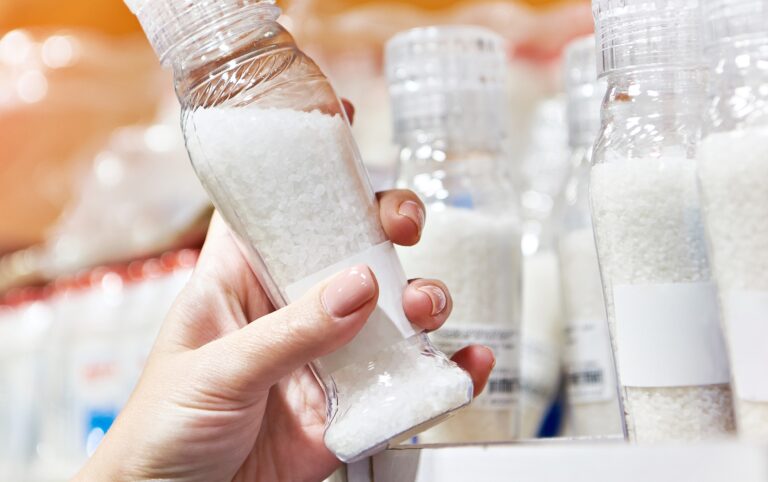
Study finds microplastics in every salt brand tested, and kids may take in more


Researchers have found that nearly every salt brand tested contains microplastics.

A new study from Indonesia’s Sriwijaya University detected microplastics in every commercial salt sample tested in one coastal region, with researchers warning that children may face higher dietary exposure than adults.

What happened?

Scientists sampled popular salt brands sold in Sungsang, a fishing village on the coast of South Sumatra. They then published their results in the peer-reviewed journal Tropical Oceanographic Research Frontiers.

What they found was alarming. The products contained roughly 233 to 266 plastic particles per pound of salt. And more than 80% were microplastic fragments rather than fibers, suggesting they may have come from larger plastic items, such as packaging or fishing nets, that broke apart in the marine environment.

Most particles were thinner than a human hair, which represents a problem as they are better able to pass through biological membranes and accumulate in human tissues.

The team identified polluted seawater as the likeliest source, noting that microplastics can persist even after the salt-evaporation process, per Food & Wine.

Why does it matter?

Salt is a near-universal ingredient, meaning exposure could be widespread even if the amount any one person consumes is relatively small.

The study’s estimates suggested that children may ingest more microplastics through salt than adults do because kids are still developing and usually have lower body weights.

Even so, the researchers emphasized that the health effects of ingesting microplastics are still unknown.

Yet, the study points to a larger problem: plastic pollution in the environment is entering food systems. Once plastics break down into microscopic pieces in oceans and waterways, they can end up in products many people use (or consume) every day.

Similar concerns have been raised about plastic turning up in everyday essentials, from drinking water to other food products, underscoring how widespread this contamination has become worldwide.

Get TCD’s free newsletters for easy tips, smart advice, and a chance to earn $5,000 toward home upgrades. To see more stories like this one, change your Google preferences here.


Cool Divider


Source link