Indonesia returns to UNESCO heritage committee after 12 years


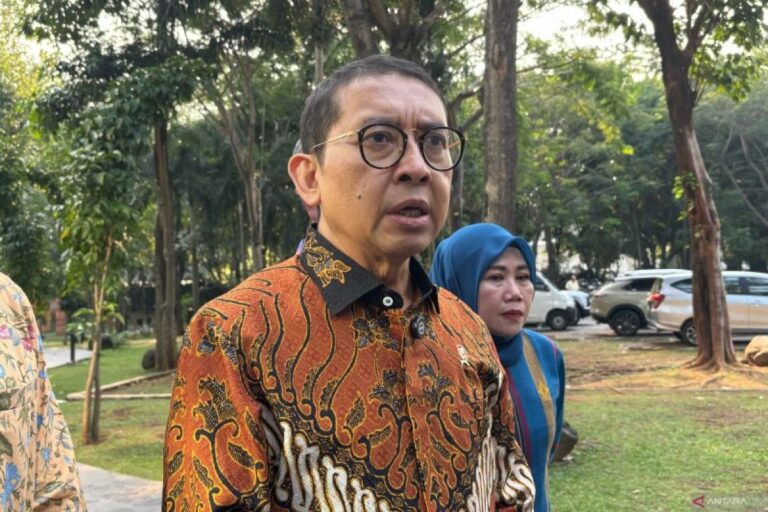
Jakarta (ANTARA) – Indonesia has secured a berth at the UNESCO Intergovernmental Committee for the Safeguarding of the Intangible Cultural Heritage for the 2026-2030 period, Culture Minister Fadli Zon announced.

He noted in a statement in Jakarta on Friday that Indonesia received 113 votes from UNESCO countries, elected alongside Japan, the Philippines, and Cambodia to the committee’s Group IV, which represents the Asia–Pacific region.

Zon highlighted the election as “both a great honor and mandate” for Indonesia, marking its return to the committee after a 12-year absence.

“The international community has once again entrusted Indonesia to contribute to efforts aimed at safeguarding the world’s intangible cultural heritages,” he remarked.

He argued that the achievement is proof of global confidence in Indonesia’s capacity to join hands with like-minded countries in fostering a more sustainable and inclusive framework for managing and protecting world heritage while cementing its image as a nation blessed with cultural wealth.

As a committee member, Zon added, Indonesia is committed to advancing eight priority agendas, including the establishment of a UNESCO center of excellence designed as a mega-laboratory for cultures, early human history, and civilization in the Asia-Pacific.

He underscored Indonesia’s role in integrating collaborative platforms to enable academicians, local communities, cultural practitioners, and policymakers to align steps toward inclusive and participative preservation initiatives.

The minister also mentioned the pursuit of digital innovation through inventory system development, the use of artificial intelligence, and ethics-based data management.

On the fourth agenda, Zon highlighted efforts to strengthen global collaboration through training, fellowship programs, joint missions, and knowledge exchanges.

He emphasized Indonesia’s readiness to contribute to preserving cultural heritages from dying out, particularly those included in UNESCO’s Urgent Safeguarding List.

On the sixth priority, he pointed to measures to make international assistance more effective, responsive, and inclusive for all member states.

The seventh agenda revolves around community empowerment, while the eighth focuses on ensuring the long-term sustainability of cultural heritage, formulating policies on digital ethics, and shielding cultures from the impacts of climate change.

Related news: RI elected to UNESCO Intangible Cultural Heritage Committee 2026-2030

Related news: Gov’t supports nomination of local scripts as UNESCO’s heritage

Related news: Indonesia seeks UNESCO heritage committee seat 2026-2030

Translator: Sinta A, Tegar Nurfitra
Editor: Azis Kurmala
Copyright © ANTARA 2026


Source link