
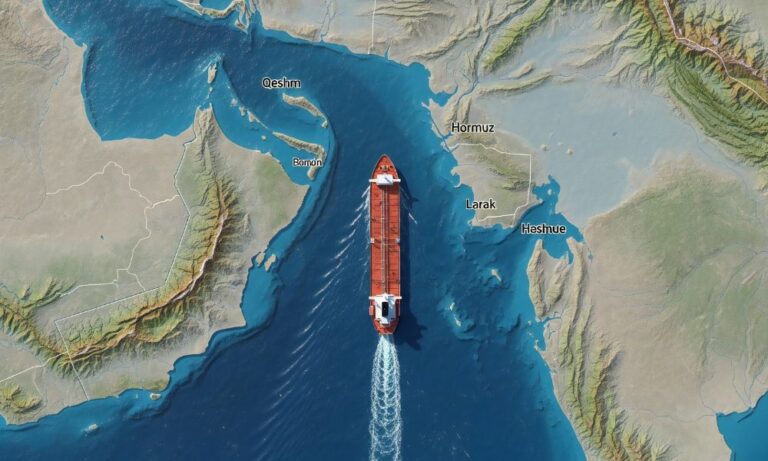
Geopolitical risk does not end with a signature
Even beyond the mine-clearance timeline, the framework agreement leaves several structural tensions unresolved. The US is insisting on a permanently toll-free strait; Iranian officials have spoken publicly of “service fees” and retaining joint sovereignty with Oman over the waterway. Israel has stated it is not bound by the agreement and that it will continue to act in self-defence – a position that, in the context of the region, carries real consequences for how underwriters model the probability of further strikes. Neil Shearing, group chief economist at UK-based Capital Economics, projected on Monday that it would take until the end of September for around 80% of energy flows through Hormuz to resume – and warned that natural gas flows would be slower still, citing damage to Qatar’s Ras Laffan liquefied natural gas hub, which lost approximately 15% of export capacity in the conflict.
